
Mar 12, 2026
8 min read

Mar 12, 2026
8 min read
What turns an idea into a testable product fast? Build a minimum viable product, launch early, gather feedback, and improve step by step to test demand and guide development decisions.
How can a simple idea become a working product quickly?
The answer is to build a minimum viable product first. Instead of developing everything at once, you launch a small working version, test it with users, collect feedback, and improve it step by step.
42% of startups fail because there is no market need for their product, according to an analysis of startup post-mortems by CB Insights.
That’s where the minimum viable product approach helps. It allows founders to test ideas with real users and gather feedback before investing time and money into full development.
So let’s walk through the practical steps for quickly building an MVP and how Rocket.new helps teams move faster.
A minimum viable product is the first working version of a new product that includes only the must-have features required to solve a core customer problem.
The goal is not perfection. The goal is learning.
This concept comes from the Lean Startup methodology, which focuses on validated learning rather than guessing what users want.
Instead of building all the features, teams focus on a small feature set that solves one real problem for a target audience.
This approach helps startups:
A minimum viable product (MVP) allows companies to release an actual product with minimal effort, test assumptions, and move toward the ultimate goal of building a strong product for the market.
Launching a new product without testing the idea can be expensive. A minimum viable product keeps things simple.
Instead of building the full platform, teams create the first version that requires the least effort to start learning from users.
Here’s what the MVP model helps with.
| Benefit | What It Means |
|---|---|
| Faster launch | Teams start developing quickly |
| Real feedback | Learn from actual users and customers |
| Lower risk | Reduces financial risk |
| Smart decisions | Teams make informed decisions |
| Product improvement | Build better future versions |
A good minimum viable product helps founders understand what their target customers really want. The focus stays on solving the core problem.
Before jumping into the traditional MVP steps, it helps to understand how tools like Rocket.new simplify the process.
Rocket.new is a platform that helps founders and developers quickly create an early working version of a product. Instead of spending weeks setting up infrastructure or writing everything from scratch, the platform generates the application's initial structure.
You simply describe your product idea, choose a template or layout, and the system builds the basic product structure for you.
This approach helps teams move through the development process faster and start testing the idea with users much earlier.
Below is a simple step-by-step process for building a minimum viable product using Rocket.new.
Before opening any tool, clarity about the product idea matters. The team needs to understand the core problem they want to solve for customers in the market.
A few questions help guide this stage.
This step may include basic market research and defining a user persona.
The goal is simple. Keep the concept focused and avoid thinking about extra features too early. Once the idea is clear, the team can move to Rocket.new and begin the mvp development process.
Now it is time to open Rocket.new and set up the project.

Inside the platform, you can start a new project in a few simple steps.
The prompt might describe the type of app you want to create, the problem it solves, and the required main features.
Rocket.new uses that information to generate a basic application structure. This helps teams start developing quickly without spending the maximum amount of time on setup.
Next, select how the product should start. Rocket.new offers different ways to begin building the product.
You can:

Example:
" Build a simple food delivery app for busy office workers. Users should be able to view nearby restaurants, select meals, place an order, and track delivery status. Include a basic dashboard, menu screen, and order confirmation screen. Keep the interface simple and focused on fast ordering."

Templates save time and help teams build the first version faster.
The goal at this stage is to keep the feature set small and focus only on the must-have features. Other product features can wait for the next iteration.
After choosing a template, you select the application's main screens. Most minimum viable product apps need only a few screens to function.
Common screens include:
These screens define how users interact with the actual product.
Rocket.new automatically generates the interface structure based on your choices. This helps shape the MVP functionality without adding unnecessary features.
Once the screens are selected, Rocket.new starts generating the application. This is where the platform saves significant development time.
The system builds the project structure automatically. You can watch the product being generated while the platform prepares the code and layout.
Within a short time, the team receives a working minimum viable product mvp. This becomes the first version of the new product.
After generation, the product is ready for adjustments. Teams usually review the generated structure and make small changes.
Common improvements include:
Or you can use the command:
These changes help prepare the product for real users. This stage also helps refine the concept before the product enters testing.
Now the product moves into MVP testing. The team invites real users and early adopters to try the product.
The goal is to observe how users interact with the features and collect feedback. Teams may use a landing page to invite testers from the target audience.
During this phase, the focus is on learning from user feedback rather than on perfecting the design. Customer insights help teams gather feedback and understand what the market really wants.
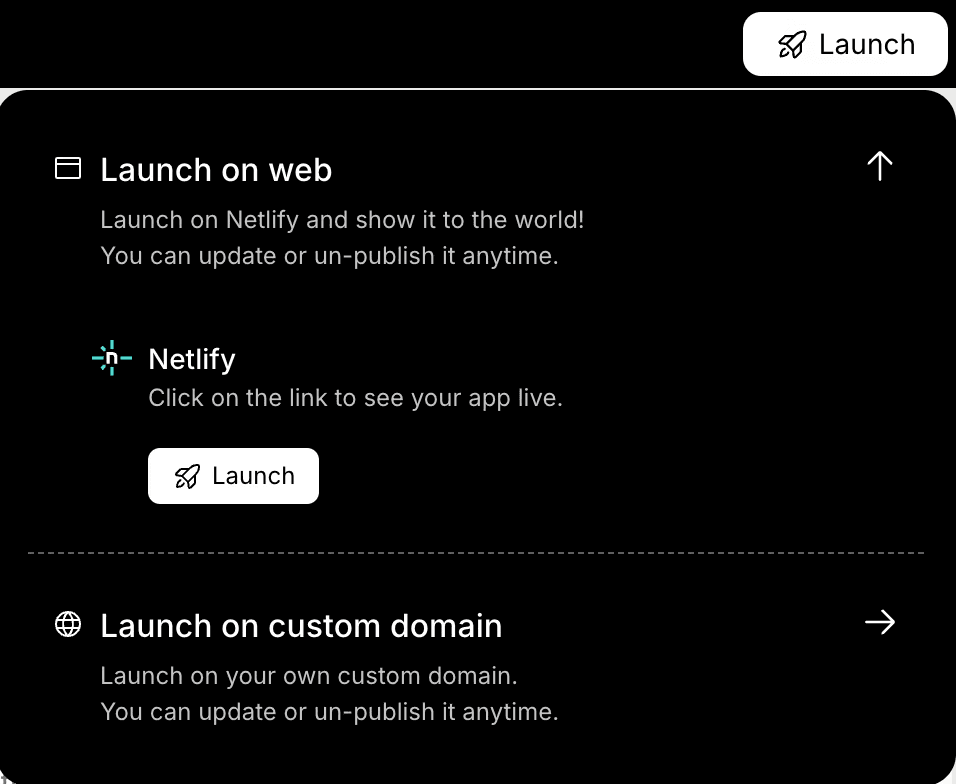
Once the initial testing is complete, the product can be launched to a wider audience. At this point, the minimum viable product has served its purpose.
Teams continue improving the product through the next iteration.
This cycle includes:
Over time, these improvements lead to subsequent versions and, eventually, full development.
Rocket.new helps startups and teams create and test a minimum viable product much faster than traditional development workflows.
Instead of spending months building a complete platform, teams can quickly release a working product, collect feedback, and make informed decisions about next steps.
This approach reduces financial risk, helps attract early adopters, and allows founders to validate their business idea with real users in the market.
Here’s an interesting perspective shared in a discussion on Reddit:
“Keep it minimal but functional if a user can complete the core action your product promises, that’s usually enough for v1.”
This insight highlights a simple idea behind a minimum viable product. The product does not need a perfect design or dozens of features. It only needs to solve the core problem for users.
Many founders struggle with deciding how much to build. Here is a simple comparison.
| MVP | Full Product |
|---|---|
| Small feature set | Large set of features |
| Fast development process | Long development process |
| Early feedback from users | Limited early feedback |
| Lower financial risk | Higher investment |
| Quick market testing | Long time before launch |
A minimum viable product helps teams learn before spending large resources. Even established companies sometimes launch MVP-style products to test a concept.
Many founders build a full product before checking if customers actually want it. That often leads to wasted time, money, and missed opportunities in the market. A better approach is to start small. Build a simple version, launch it to users, collect feedback, and learn what works before investing more effort.
This idea is the foundation of the minimum viable product approach. Teams begin with a simple idea, release the smallest working version, and improve it through each next iteration. Learning from real users helps teams run quick test cycles, make informed decisions, and gradually move toward a stronger product. That’s the core idea behind how to make a minimum value product successfully..
Table of contents
What is the purpose of a minimum viable product?
How long does it take to build an MVP?
Who should test an MVP?
Why is user feedback important in MVP development?